

Course
The course are designed for bodywork professionals They create a space to deepen knowledge, develop technique, and improve connection with the patient or client. During the sessions, we combine theory with intensive practice: participants watch demonstrations, work in pairs, share experiences, and discuss real cases from everyday practice. We focus on safety, conscious touch, ergonomic work, and mindfulness — so that the new skills can be applied immediately in practice.
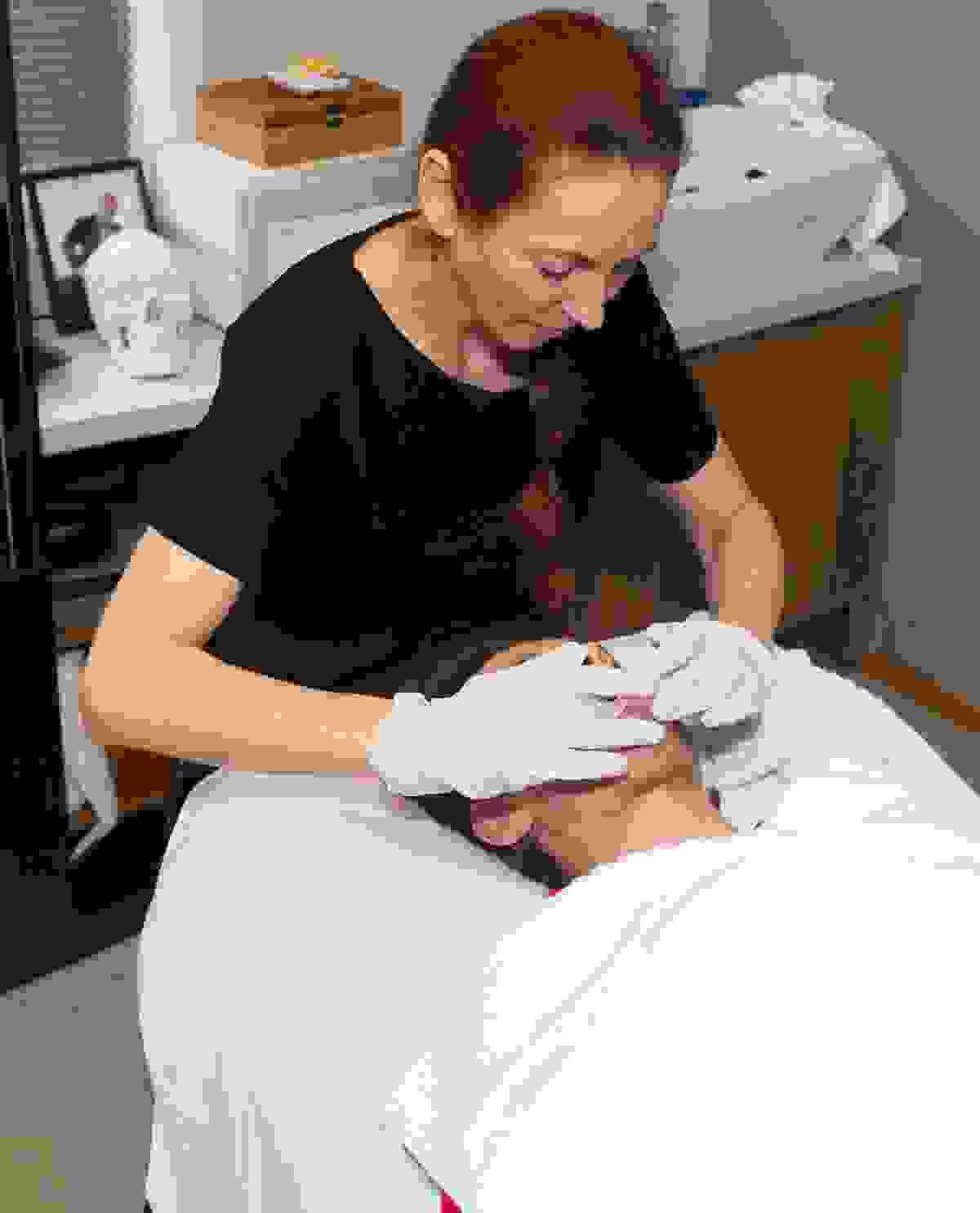
Head Pain Categories
Migraine Categories:
- Maxillary (Sinus-Related) Migraines
- Cervical (Neck-Origin) Migraines
- Ocular (Eye-Related) Migraines
- Vestibular (Balance-Related) Migraines
- Migraines with Aura
- Menstrual Migraines
- Hemiplegic Migraines
Headache Categories:
- Extracranial Headaches
- Cluster Headaches
- Trigeminal Neuralgia-Related Headaches
- Temporomandibular Joint (TMJ) (Jaw-Chain) Pain Headaches
- Radiating Headaches
- Point-Specific Headaches
- Tension-Type Headaches
- Psychogenic Headaches
- Tinnitus and Ear-Related (Osteoarteriovenous) Headaches

Tension and Morning Pain
These include pains that cause stiffness and require movement to improve, as well as regional or diffuse pain that worsens after prolonged lying, sitting, or standing, and is alleviated by movement. Additionally, there are tension pains that wake the patient at night and improve with activity. We also consider more intense pains that create a sensation of heaviness or constant tension, like heavy legs, tight calves, stiff shoulders, or a rigid neck, sometimes accompanied by numbness, tingling, or muscle cramps.
Tension and Evening Pain
Overload-related pain that worsens toward evening.
Night pain
Nighttime pain that awakens the patient from sleep in the early pre-dawn hours, as well as nocturnal lumbar pain when turning from side to side, and pain in the early hours that prompts movement but isn’t significantly relieved by it."
Others
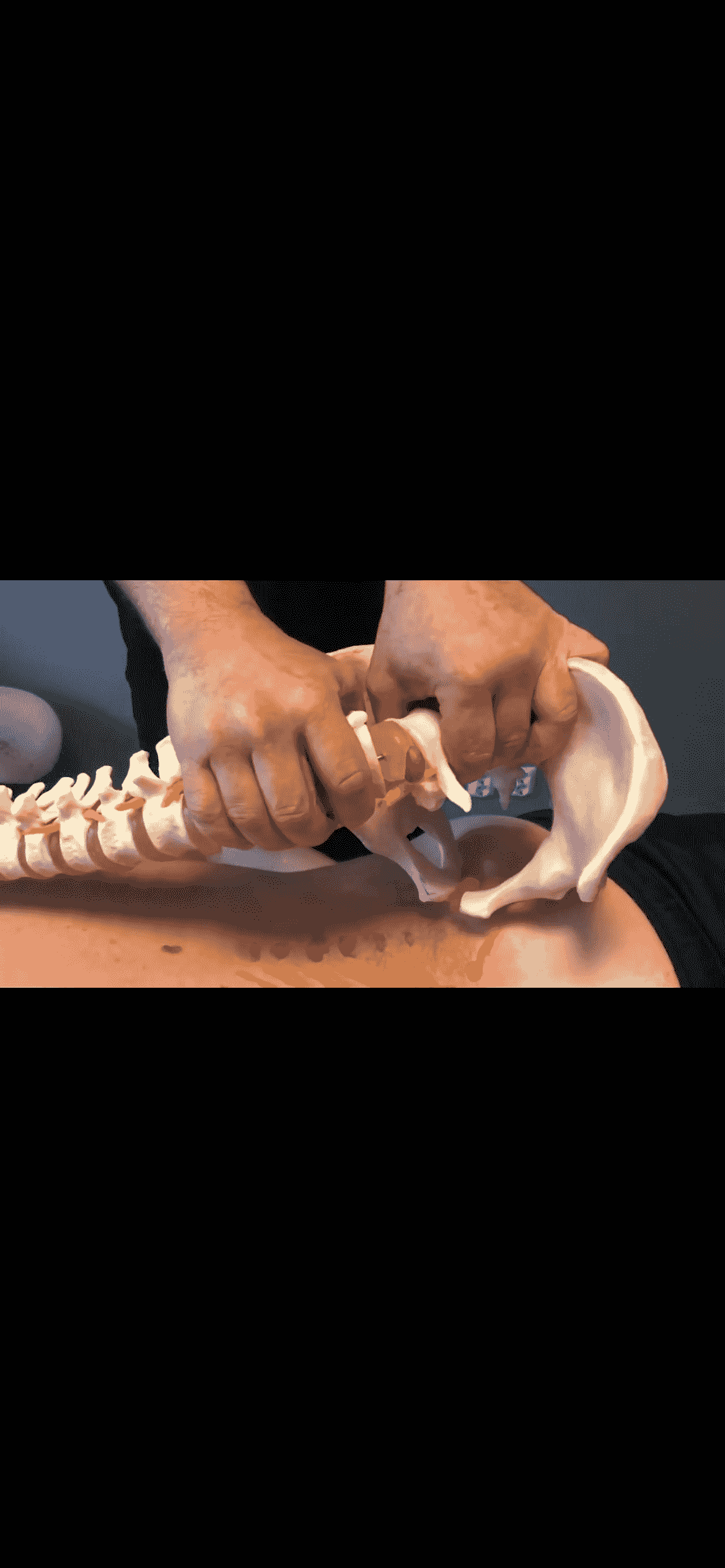
Tennis elbow, golfer’s elbow, wrist discomfort, frozen shoulder, jumper’s knee, shin splints, hip pain, carpal tunnel syndrome, sciatica, texting thumb, discomfort in the cervical spine, and breathing difficulties — these are examples of conditions we commonly encounter in our work.
It’s important to remember that this list is not exhaustive. Symptoms never exist in isolation — they are always the result of specific mechanisms occurring in the body. That’s why diagnostics are so important: understanding where the problem comes from, rather than focusing only on what it is called.
Once you understand the principles behind our diagnostic approach, it becomes easier to deal with many other dysfunctions that are not listed here. It’s impossible to name them all — what matters most is understanding how the body reacts, compensates, and how we can support it in returning to balance
Links
➡️TMJ


