

Introduction
Spinal pain is one of the most common clinical challenges in modern medicine and rehabilitation. Appropriate management in the acute phase is particularly important in order to reduce the risk of transition to a chronic condition. The aim of treatment is not only to relieve symptoms but also to decrease the risk of nervous system sensitization. It should be emphasized, however, that the development of chronic pain is multifactorial — involving biological, psychological, and social components — and cannot always be completely prevented.
Contemporary guidelines highlight the importance of maintaining normal activity whenever possible, early mobilization, therapeutic exercise, short-term use of non-steroidal anti-inflammatory drugs (when indicated), and — in selected cases — manual therapy. In chronic pain, patient education, a biopsychosocial approach, regular physical activity, psychological strategies, and individually tailored conservative care play a central role. A “miracle cure” for spinal pain does not exist; effective treatment requires combining methods and long-term collaboration with the patient.
We do not have full control over the occurrence of structural and inflammatory conditions such as ankylosing spondylitis, rheumatoid arthritis, idiopathic scoliosis, or neoplastic disease. Nevertheless, appropriate conservative management can significantly reduce symptoms and improve quality of life in affected patients.
The importance of prevention
Prevention remains the most effective tool for reducing pain related to disturbances in the function of the musculoskeletal system. Appropriate physical activity, musculoskeletal hygiene, and everyday ergonomics are crucial. Even in childhood, latent functional disturbances and muscular imbalance may occur — initially asymptomatic due to compensatory mechanisms — yet over time they may lead to persistent structural changes.
Particular attention should be paid to pelvic asymmetries, apparent leg-length discrepancy, and developing functional scolioses. Biomechanical research confirms that the prevalence of postural disorders increases with age, which is linked to reduced spontaneous physical activity and progressively longer periods of sitting.
Early motor development
Early developmental stages — including the crawling phase — play an important role in shaping proper motor control and trunk stabilization. This stage serves as a natural preparation for upright posture, promotes coordinated activity of the pelvic and shoulder girdles, and supports neuromuscular coordination. Although there is no unequivocal evidence that a shortened crawling period directly causes spinal pathology, promoting varied movement and avoiding premature, forced upright positioning is consistent with current pediatric and physiotherapy recommendations.
The role of parents, caregivers, and the school environment
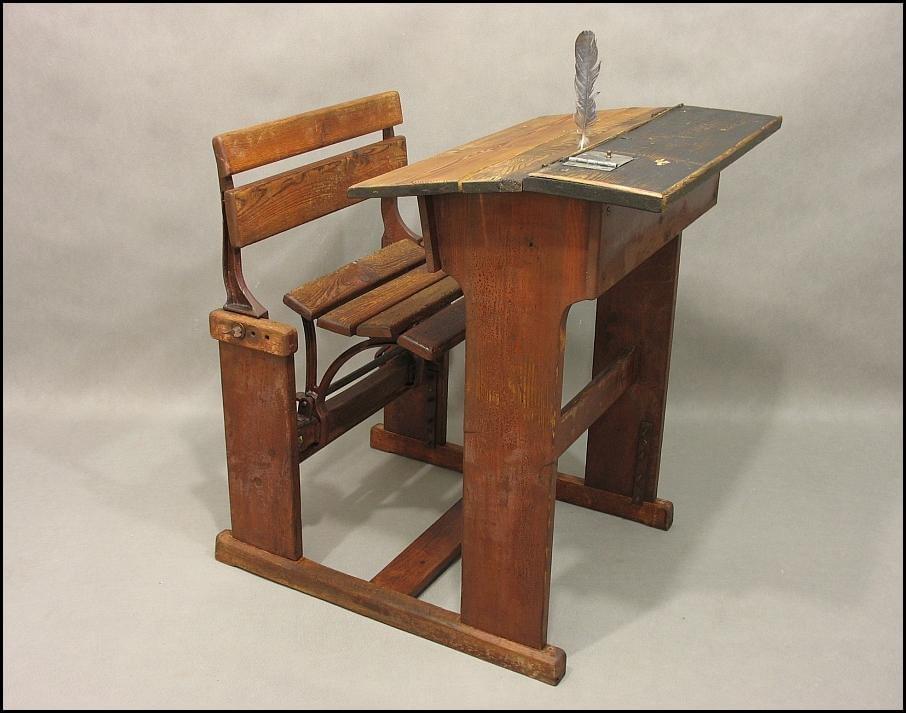
In preschool and school-age children, education and cooperation between parents, caregivers, teachers, and healthcare professionals are crucial. Regular correction of faulty positions during learning, introducing movement breaks, limiting prolonged sitting, and responding early to spinal discomfort help reduce the risk of consolidating abnormal postural and movement patterns.
Optimal conditions for a child’s workspace include:
chairs that encourage sitting on the ischial tuberosities,
height-adjustable desks,
stable foot support,
furniture adapted to the child’s height and body proportions.
Where ergonomic solutions are not feasible in schools, they can — and should — be implemented at home. Brief instruction from a physiotherapist enables parents to supervise how a child sits, studies, and uses electronic devices more effectively.
Sedentary lifestyle and its consequences
Prolonged sitting leads to excessive tension in specific muscle groups, overload of sacral and gluteal structures, consolidation of faulty posture, and a gradual increase in the risk of back, shoulder, and neck pain. Over time, it may also contribute to degenerative changes in the intervertebral discs.
At the same time, it is important to stress that complete unloading and prolonged bed rest are not recommended. Current guidelines advocate a gradual, controlled return to activity, short periods of off-loading positions when necessary, and regular movement adjusted to individual capacity.
Summary
Effective management of spinal pain requires an integrated approach that combines early intervention, education, prevention, ergonomics, and individually tailored conservative treatment. The goal is not only pain reduction, but also restoration of function, increased independence, and improved quality of life. Developing appropriate movement habits from the earliest years forms the foundation for healthy musculoskeletal function in adulthood.